
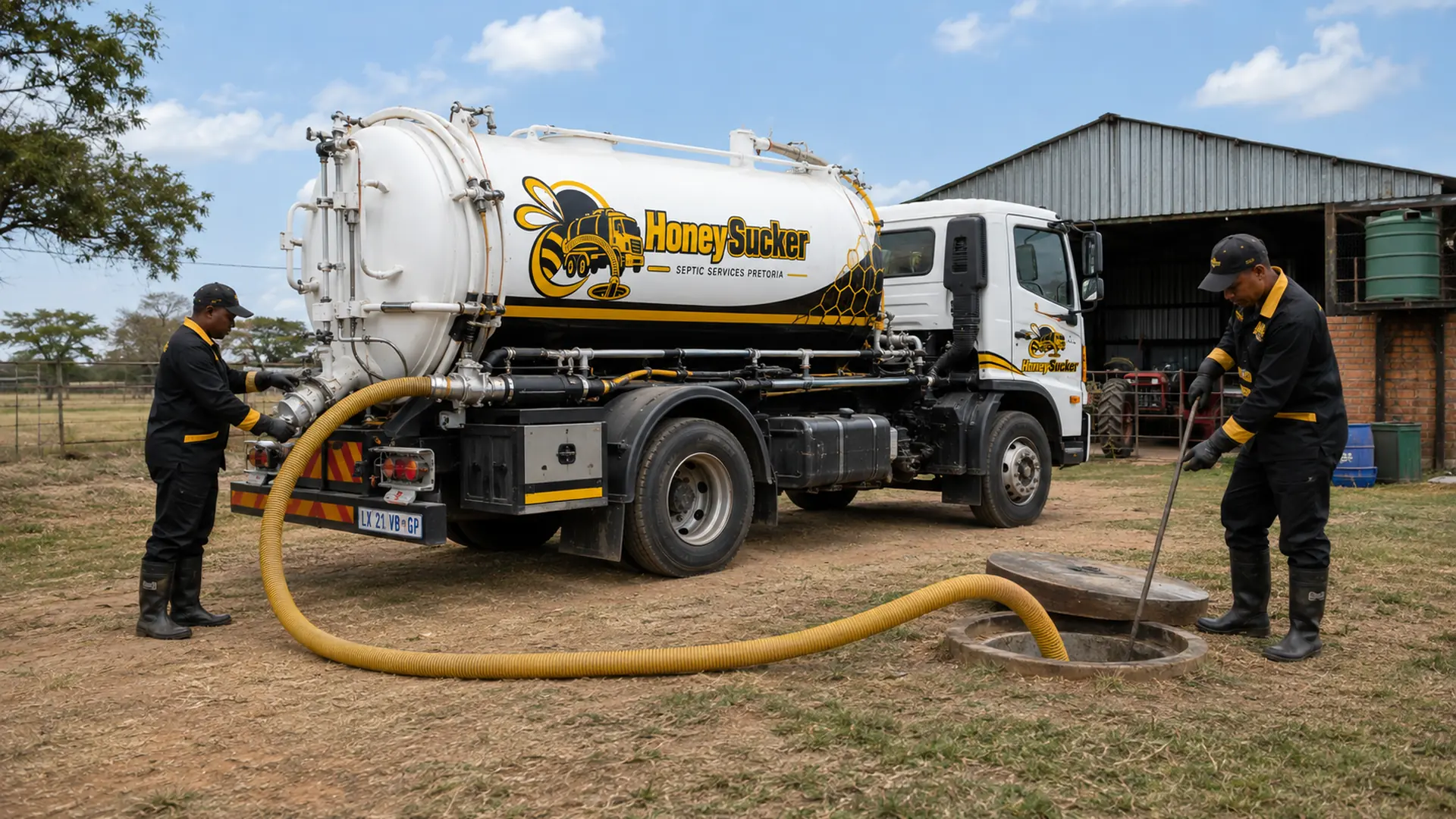
A septic tank rarely gives a perfectly timed warning that it is close to capacity. Most property owners first notice a change in how the system behaves, such as slower drainage, unpleasant smells or damp ground near the tank area. These signs do not all prove that pumping is required, but they are good reasons to stop guessing and arrange a professional assessment.
Common signs that deserve attention
Changes inside the property and around the tank can help build a clearer picture of what is happening. Make a note of when the problem started and whether it affects one fixture or several parts of the property.
- Slow drainage in several fixtures: One blocked basin may be a local pipe problem. Slow drainage across toilets, basins and showers can point to a wider wastewater issue.
- Gurgling toilets or drains: Unusual sounds can occur when air and wastewater are no longer moving normally through the system.
- Persistent odours: Smells around drains, the tank or the soakaway area should not be ignored, especially when they are new or becoming stronger.
- Wet ground or wastewater near the tank: Keep people and pets away from the affected area and request help promptly.
- A tank that has not been serviced for a long time: Usage, tank size and previous maintenance all influence how quickly solids and liquid accumulate.
What septic tank pumping does
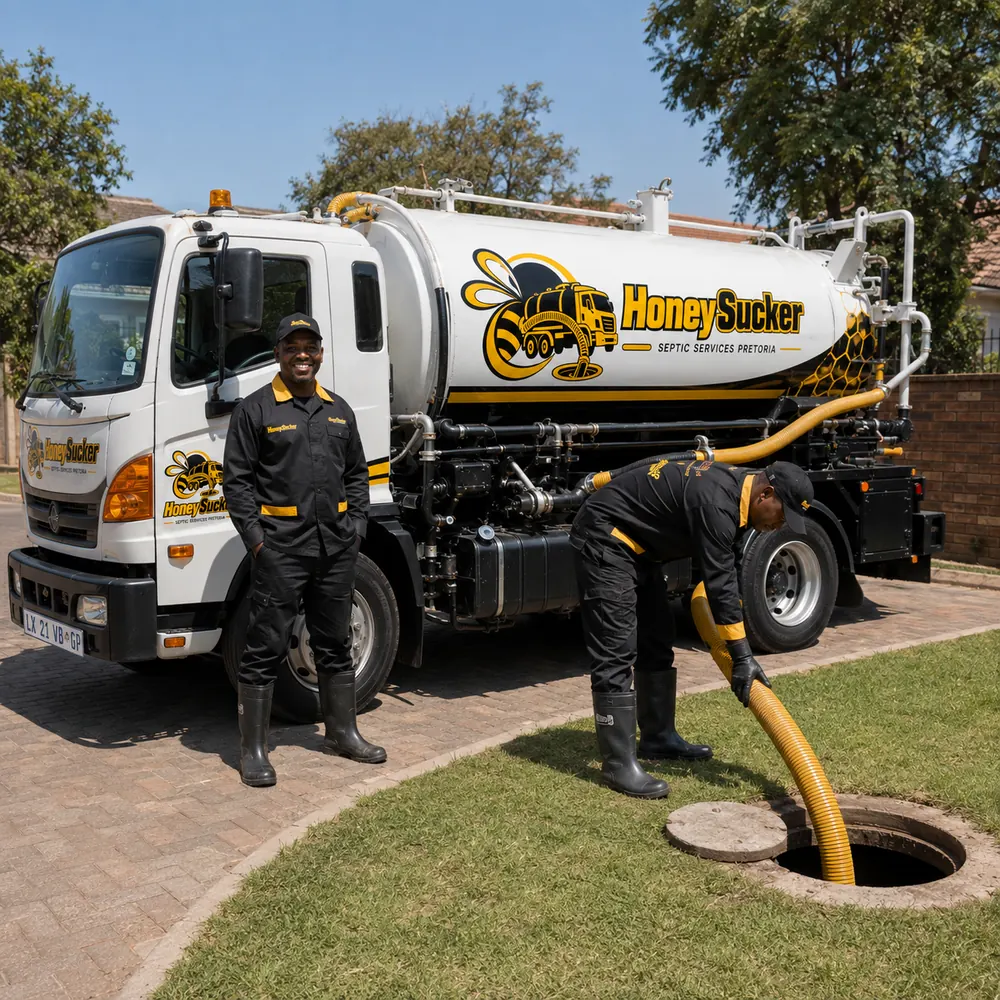
Pumping removes liquid and accumulated waste from an accessible tank using vacuum equipment. The practical scope depends on the tank condition, the opening, the hose route and where the tanker can park safely. It is not sensible to promise an exact outcome from a photograph or phone description alone, because every property and system is different.
What to share when requesting service
A few useful details can save time and help the team arrive better prepared. Share the property suburb, the tank position, visible symptoms, the approximate distance from safe parking and any gate or access restrictions. Clear photos of the tank opening, surrounding ground and tanker route are also helpful.
Do not open or enter a septic tank yourself. Fresh waste and confined spaces can present serious health and safety risks. South Africa’s Department of Water and Sanitation explains that safe faecal sludge management covers containment, emptying, transport, treatment and final disposal. Property owners can read the department’s faecal sludge management guidance for broader context.
Pumping and cleaning are not always the same service
Pumping mainly removes the contents that vacuum equipment can extract. Cleaning may involve additional work where settled sludge or residue needs attention. The correct approach depends on what can be inspected and reached safely. If you are unsure which option to request, describe the symptoms and maintenance history rather than trying to diagnose the tank yourself.
Prepare the access area before the tanker arrives
Unlock gates, move parked vehicles and keep pets away from the work area before the scheduled visit. The tank opening should be identifiable without requiring the crew to search across the property, but do not remove heavy covers if doing so is unsafe. Avoid placing garden furniture, building materials or loose equipment along the likely hose route. If the ground is soft after rain, mention this when booking because the tanker still needs a stable and suitable parking position.
Arrange septic tank pumping in Pretoria
HoneySucker assists homes, businesses, estates and managed properties across the Pretoria region. View the septic tank pumping service, check the Pretoria service areas, or call and WhatsApp the team on 074 921 6413 with the site details you have.